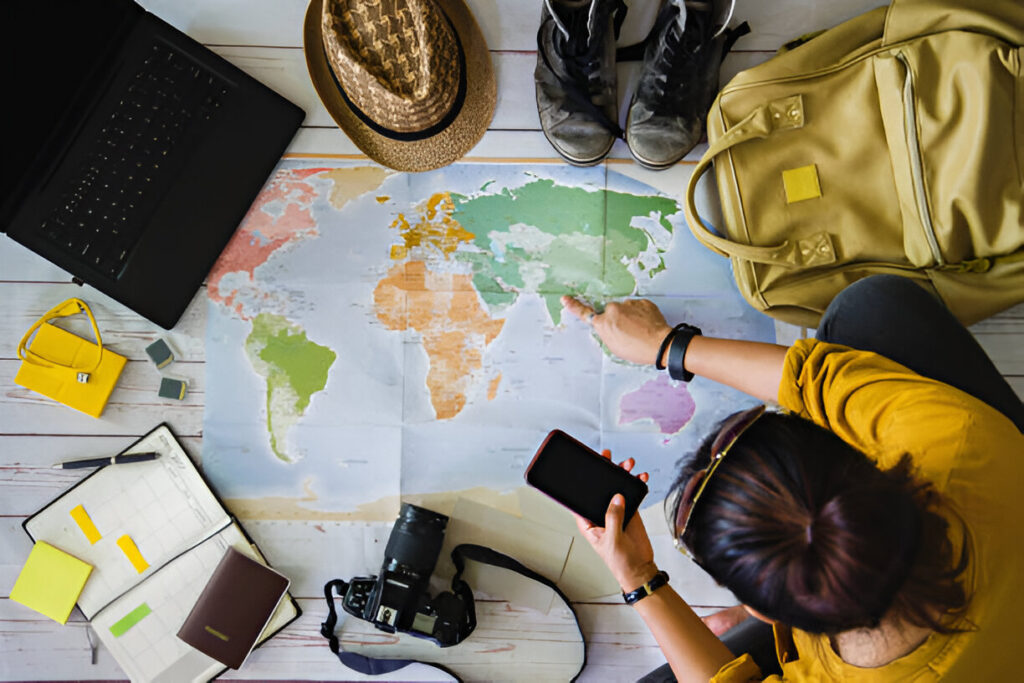

Travel has always been more than just moving from one place to another—it’s a story you step into, one that keeps unfolding with every train ride, street food stall, or stranger who points you toward a hidden alley you never would have found on your own.
Some people love the control of itineraries, color-coded spreadsheets, and pre-booked tours. And while there’s nothing wrong with that, I’ve found that some of the best travel experiences come when you leave space for spontaneity. Those unscripted moments—when you wander into a neighborhood café in Rome that isn’t on TripAdvisor or stumble upon a late-night jazz club in Tokyo—are the ones you’ll remember long after you’ve forgotten which museum you visited at 2 p.m. on a Tuesday.
So let’s talk about how to embrace travel in a way that feels human, exciting, and a little imperfect—in the best possible way.
Why Travel Is Really About Stories, Not Schedules
Think about the last time someone told you about their trip. What stuck with you? Probably not the fact that they visited every landmark on the list, but the moment when something unexpected happened. Maybe they missed a train and ended up sharing a car ride with locals who told them family recipes. Maybe they ordered the wrong dish and discovered their new favorite meal.
Travel becomes richer when you stop treating it like a checklist and start treating it like a story. The best part? You’re the narrator, but the characters you meet along the way—shopkeepers, fellow travelers, bus drivers—are what give it heart.
The Power of Slow Exploration
One of the most freeing things you can do while traveling is to slow down. Instead of rushing through five cities in a week, consider staying longer in one place. Walk instead of taking a cab. Sit at a café without Wi-Fi and just watch life unfold around you.
I once spent four days in Lisbon, and while my original plan had been to use it as a quick stop before heading to Spain, I ended up staying the entire week. Why? Because I stumbled upon a neighborhood with tiled houses that looked like they had been painted by hand centuries ago, and I couldn’t get enough of just wandering. My most vivid memory isn’t the castle everyone raves about—it’s sitting at a bakery counter eating warm pastel de nata while talking with the owner about his grandfather’s recipes.
Balancing Practical Planning with Flexibility
Now, this doesn’t mean throwing caution to the wind and booking a one-way ticket without a clue. A little structure goes a long way—especially when it comes to things like visas, transportation, or making sure you don’t arrive in peak tourist season without a bed to sleep in.
But there’s a sweet spot between careful planning and leaving room for adventure. For example, book your first two nights in a new city so you know you’ll have a place to land. After that? Wander. Ask locals what’s worth seeing instead of relying only on guidebooks. Leave one day “blank” in your itinerary and see where it takes you.
Here’s something I’ve tried that helps: instead of obsessing over reservations, I use simple travel hacks like saving offline maps or carrying a few printed essentials. You’d be surprised how helpful that can be when Wi-Fi fails. (Pro tip: some travelers even get creative and design little keepsakes like tickets or notes using custom printing invitations as a fun way to capture memories—it feels personal, and those mementos become part of the story you bring home.)
Traveling Light—In Every Sense
There’s a saying that the lighter your bag, the lighter your spirit. I couldn’t agree more. The times I’ve overpacked, I ended up regretting lugging a heavy suitcase across cobblestone streets or worrying about keeping track of too many things. But when I stripped down to just the essentials—comfortable shoes, a journal, a camera, and clothes I actually wear—I felt freer to focus on the journey itself.
Travel light emotionally too. If your plans don’t go the way you expected, don’t let frustration weigh you down. Flights get delayed, trains get canceled, and restaurants close without notice. But often, those “inconveniences” are the start of something new: the detour that leads to an unforgettable meal or a sunset you wouldn’t have seen otherwise.
Connecting With People, Not Just Places
It’s easy to get caught up in the physical beauty of destinations—mountains, beaches, skylines—but what really shapes your memories are the people you meet.
I’ll never forget a trip to Istanbul where I ended up sharing tea with a shopkeeper who insisted on teaching me a few Turkish phrases. Or the time in Mexico when a grandmother showed me how to fold tortillas properly after laughing at my clumsy attempt.
You don’t have to speak the language fluently to connect—gestures, smiles, and genuine curiosity go a long way. And honestly, these connections often turn into the moments that make a trip feel less like tourism and more like living in someone else’s world for a short while.
Turning Your Journey Into Something That Lasts
One of the most rewarding parts of traveling is bringing those experiences home—not just as photos on your phone, but as stories you can share. Write them down. Sketch them. Or find creative ways to relive them when you’re back in your routine.
I know people who keep a simple notebook of every train ticket, receipt, or café napkin that reminds them of their travels. Others put together small scrapbooks or digital journals. Personally, I love sharing a meal inspired by a place I visited—it’s like inviting friends into the memory.
Travel doesn’t just expand your world while you’re abroad; it keeps shaping your perspective long after you’ve unpacked your suitcase.
Conclusion: Embrace the Beautiful Unpredictability
If there’s one thing I’ve learned, it’s this: the best trips are rarely the ones that go “perfectly.” They’re the ones that surprise you, stretch you, and remind you that the world is so much bigger—and kinder—than you imagined.
So yes, plan your trip. Book the flights, figure out the basics, and do your research. But also leave room for magic. Wander down streets you don’t recognize. Sit on park benches. Say yes when someone invites you in for tea. Because one day, when you’re back at home and life feels routine again, it won’t be the monuments or the tourist traps that fill your heart—it’ll be the little, unplanned moments that remind you what travel is really about.