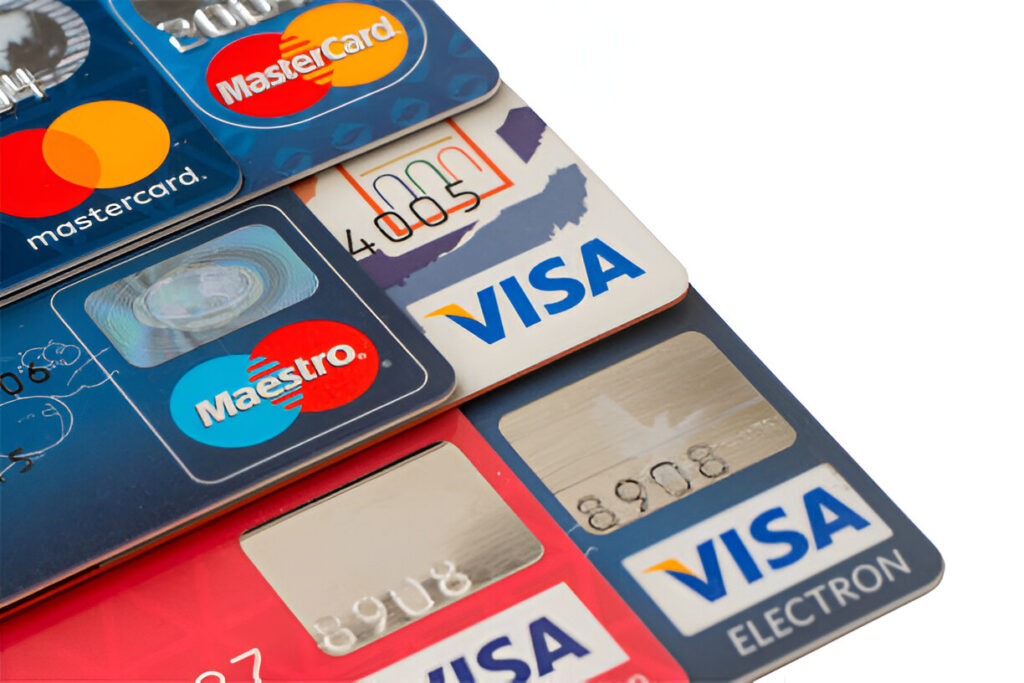

Buying gift cards online should be straightforward, but the process can get confusing with all the different platforms, fee structures, and delivery options available. The good news is that once you understand the basics, you can buy Visa gift card online in just a few minutes from reputable sources. The tricky part is navigating the legitimate retailers versus the sketchy operations that pop up everywhere. I’ve walked through this process dozens of times, and there are definitely some shortcuts and pitfalls worth knowing about. The online gift card market has matured significantly, with better security measures and more transparent pricing than we saw just a few years ago.
Selecting the Right Platform
Start with retailers you already trust. If you shop regularly at Target, Amazon, or other major retailers, their gift card sections offer familiar checkout processes and customer service you can rely on. These platforms also integrate purchase history with your existing accounts, making future reference easier.
Visa’s official partner network includes specialized gift card retailers like GiftCards.com and CardCash that focus exclusively on this market. These platforms often provide better selection and more detailed product information than general retailers.
Banking websites offer maximum security for large purchases. Wells Fargo, Chase, and Bank of America sell Visa gift cards through their online banking platforms with additional fraud protection layers and immediate purchase verification.
Understanding Different Card Types
Standard Visa gift cards work like prepaid debit cards with predetermined balances. These cards can’t be reloaded and typically include activation fees ranging from $3.95 to $6.95 depending on the card value. They’re perfect for one-time gifts or specific purchase amounts.
Reloadable Visa cards function more like checking accounts, allowing multiple transactions and balance additions over time. Initial setup costs are higher, but ongoing fees might be lower for frequent users. These work better for recurring allowances or ongoing expense management.
Virtual cards exist only as digital numbers without physical plastic. They’re ideal for online shopping or situations where immediate access is needed. Security is often better since there’s no physical card to lose or steal.
Step-by-Step Purchase Process
Choose your card value based on intended use. Most platforms offer denominations from $25 to $500, with some allowing custom amounts. Higher-value cards sometimes have proportionally lower activation fees, making them more cost-effective for large purchases.
Enter recipient information carefully if buying for someone else. Double-check email addresses for digital delivery – one typo means the card goes to a stranger’s inbox. For physical cards, verify shipping addresses and select appropriate delivery speeds based on timing needs.
Select delivery method based on urgency and recipient preferences. Email delivery happens within minutes but requires the recipient to have reliable internet access. Physical shipping takes 5-10 business days but provides a tangible gift experience that some people prefer.
Review all fees before completing your purchase. Total costs include the card value plus activation fees, shipping charges (for physical cards), and any expedited delivery fees. These additional costs can add 10-15% to your total expense.
Payment Security Measures
Use credit cards rather than debit cards for online gift card purchases. Credit cards provide better fraud protection and dispute resolution options. If something goes wrong, you can initiate chargebacks through your credit card company rather than trying to recover money from potentially unresponsive sellers.
Verify website security before entering payment information. Look for “https” in the URL and valid security certificates. Legitimate retailers invest in proper SSL encryption to protect customer data during transactions.
Avoid saving payment information on gift card websites unless you plan to make regular purchases. While convenient, stored payment data creates additional security risks if the retailer’s database is compromised.
Delivery and Activation Details
Digital cards typically arrive within 15-30 minutes during business hours. Weekend and evening purchases might take longer due to fraud verification processes. Check your spam folder if cards don’t arrive within the expected timeframe.
Physical cards require activation before use, usually through a toll-free number or website listed on the packaging. Keep activation instructions and purchase receipts until the card is fully depleted – you’ll need this information for customer service contacts.
Activation deadlines vary between issuers. Most cards must be activated within 12 months of purchase, after which they become worthless. Set calendar reminders for gift cards you’re holding for future use.
Managing Multiple Card Purchases
Bulk purchases often qualify for volume discounts or reduced fees. However, buying large quantities from unfamiliar retailers increases fraud risk. Start with small test purchases to verify reliability before placing major orders.
Organization becomes crucial when managing multiple cards. Create a spreadsheet tracking card numbers, balances, expiration dates, and intended recipients. This prevents cards from being forgotten or accidentally used for wrong purposes.
Corporate purchasing requires additional verification steps and often involves dedicated account representatives. Business accounts typically offer better terms and more flexible delivery options than individual purchases.
Troubleshooting Common Problems
Declined transactions during purchase often result from bank fraud protection rather than retailer issues. Contact your credit card company if legitimate purchases are being blocked – they can add temporary authorizations for gift card retailers.
Email delivery failures happen when recipient addresses are incorrect or corporate email systems block automated messages. Have backup delivery methods ready, especially for time-sensitive gifts.
Balance discrepancies between purchase amount and card value usually stem from activation fees that weren’t clearly disclosed. Review all purchase documentation to understand where fees were applied and whether charges were properly disclosed.
Post-Purchase Best Practices
Test cards immediately after receiving them to ensure they work properly. Make a small purchase or check the balance online to verify activation was successful. Early testing allows time to resolve issues before cards are needed.
Keep digital records separate from the cards themselves. Screenshot card details and store them securely in case physical cards are lost or damaged. Digital backups make replacement processes much easier.
Monitor balances regularly for cards held long-term. Monthly maintenance fees can erode value over time, and early detection allows you to use remaining balances before they disappear to fees.