
Understanding the ‘As Is’ Sale
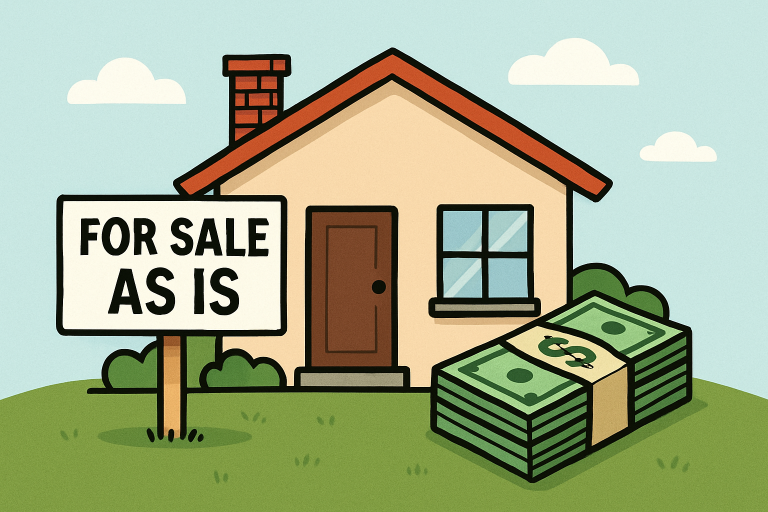
Selling your home “as is” means putting your property on the market in its existing condition, with no repairs or upgrades. This can greatly reduce the time and hassle associated with selling, making it especially attractive for homeowners seeking a fast exit. With real estate inventory still tight in many markets, a streamlined process can be alluring to those who need to relocate or liquidate quickly. If you’re looking for a straightforward way to sell cash, this method can accelerate the process and eliminate traditional contingencies that slow deals.
However, listing a house “as is” also means you may have to accept a lower offer than you would by investing in repairs. Cash buyers often seek discounts to compensate for the risks involved and the cost of post-sale improvements. Weighing these tradeoffs is essential before making your decision.
Pros and Cons of Selling As Is
Selling as is can bring both benefits and challenges. The main advantages include:
- Speedy Transactions: Cash offers can close in days rather than weeks or months, helping you avoid drawn-out negotiations and financing delays.
- Reduced Expenses: Sellers can save on repair costs, home staging, and real estate agent commissions by streamlining the process.
On the other hand, there are notable downsides:
- Lower Sale Price: Buyers commonly expect a steep discount on properties sold as is, sometimes significantly reducing your proceeds.
- Limited Buyer Pool: Many buyers prefer move-in-ready homes, leaving mostly investors and cash buyers interested in as-is properties.
If your priority is speed and minimal hassle, the positives might outweigh the negatives. But it’s essential to be realistic about market value and buyer expectations.
While navigating these decisions, it’s also wise to make sure your financing and documentation are cash ready for a quick, seamless closing process. Preparing your home with essential disclosures and accurate information can further streamline the sale. Staying organized and proactive helps you avoid last-minute surprises and keeps the transaction moving smoothly.
Legal Obligations and Disclosures
Even when you sell as is, legal standards require you to disclose any known defects, such as roofing issues, water damage, or foundational problems. Honesty is not only ethical but also the best defense against lawsuits and disputes that might surface after the transaction. Many sellers benefit from providing a pre-listing inspection report, which details the current condition and sets buyer expectations from the outset.
Setting the Right Price
Proper pricing is crucial to selling your home quickly and avoiding unnecessary financial losses. Begin by researching recent “as is” sales in your neighborhood and consult with a local real estate professional for a market analysis. If you have unique features or challenges, consider hiring a certified appraiser for an impartial valuation. Remember that buyers looking for discounted properties expect to offset their investment in repairs with a lower price. Pricing too high can stall interest, while pricing too low sacrifices your equity. Kiplinger highlights that consulting multiple experts often yields a more strategic listing price.
Finding Reputable Cash Buyers
The surge in cash buyers means increased convenience but also requires extra caution. Vet buyers by confirming their track record, online presence, and references from past transactions. Avoid those who apply high-pressure tactics or refuse to provide proof of funds. Transparent, communicative buyers are more likely to honor agreements and expedite closing. Reading reviews, examining professional affiliations, and asking critical questions can protect you from common pitfalls experienced by other sellers. According to Forbes, there are several effective strategies for finding and evaluating cash buyers for your real estate, which can help ensure smoother, faster transactions.
Impact on Local Communities
Cash sales to large investors and corporations are reshaping many neighborhoods across the U.S. as homes are moved into rental portfolios rather than owner-occupied residences. This trend can lead to increased rents, changes in neighborhood character, and a decline in community spirit. Selling on the open market—rather than exclusively to investors—helps sustain homeownership patterns and may even fetch a higher price if a local buyer purchases with the intent to reside.
Preparing for the Sale
Although selling as is limits your out-of-pocket expense, simple touch-ups can increase your home’s appeal and lead to better offers. Clean thoroughly, declutter rooms, and take care of small cosmetic repairs. Presenting a tidy property—even one in need of major updates—signals pride of ownership and invites more competitive bids. If possible, provide inspection reports and documentation outlining known issues, which demonstrates transparency and helps speed negotiations.
Conclusion
Selling your home as is for cash is a viable solution for homeowners who value speed and simplicity over maximum profit. Understanding the pros and cons, meeting disclosure requirements, pricing your home realistically, and finding reputable buyers will help you achieve a successful sale. By following these steps and considering your community, you can avoid common pitfalls and approach your next chapter with confidence.