
Understanding Why Bats Enter Homes
Bats are resourceful mammals that often seek out homes, attics, or barns in search of warmth, safe roosting sites, and proximity to food. Human structures can easily attract bats, especially when they are seeking stable temperatures and safe havens from predators. In many cases, bats enter during late summer and early fall or emerge in the spring when temperatures fluctuate.
In addition to being accidental intruders, bats are also vital members of our local ecosystems. They consume enormous quantities of mosquitoes and crop pests, aiding in natural insect control and benefiting agriculture. Despite this important role, their presence indoors can create challenges, making professional bat control Boston an important resource for homeowners who want to safely remove and prevent bats from re-entering their homes. If you’re dealing with an unexpected colony, contacting professionals specializing in bat control ensures both your family’s safety and humane treatment for the bats.
Spotting the Signs: How to Know if You Have a Bat Problem
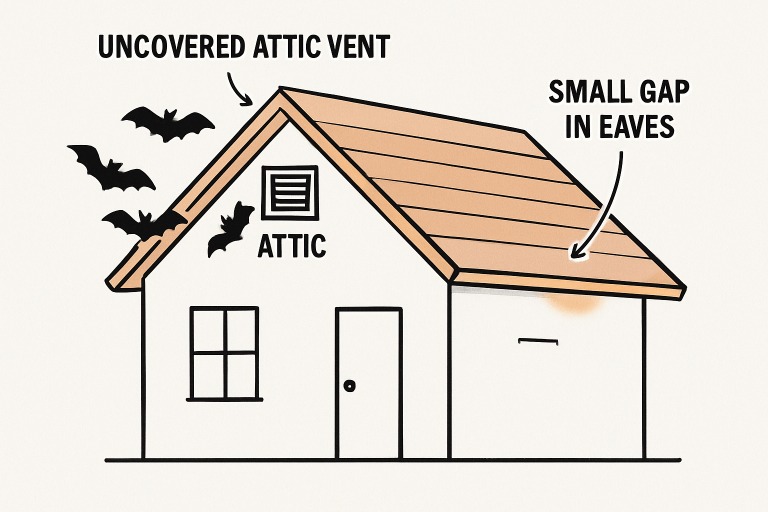
Bats typically enter through tiny openings in roofs, eaves, or soffits, requiring only a half-inch gap for entry. Common signs of a bat presence include the appearance of oily stains around openings, squeaking or scratching noises at dusk or dawn, and finding bat guano (droppings) beneath potential entry points. According to The Spruce, a noticeable ammonia-like odor can indicate guano buildup, which may pose health risks due to fungal spores. While bats rarely carry diseases, they can be potential carriers of rabies and can spread histoplasmosis through their droppings if left unchecked. Being aware of these signs is essential for timely intervention and maintaining safety.
Humane Bat Removal: A Step-by-Step Guide
Humane bat removal focuses on exclusion rather than trapping or extermination. The recommended method involves identifying all bat entry and exit points and installing one-way exclusion devices that allow bats to leave but not re-enter. These devices should remain in place for several days to ensure all bats exit safely. Once you are certain the bats have evacuated, permanently seal the access points using durable materials such as hardware cloth, caulk, or foaming sealant. The U.S. Fish and Wildlife Service provides detailed guidance on safe and legal bat removal methods, which is especially important because some bat species are protected and removal is often restricted during maternity season to avoid orphaning young bats. Review current guidelines and legal requirements for humane wildlife management with your local authorities.
Safety Precautions Before and After Removing Bats
Handling bats, even humanely, requires the right precautions. Always wear personal protective equipment (PPE) like gloves, a face mask, and eye protection to reduce exposure to potential pathogens. Avoid direct contact with bats and their droppings.
After bat exclusion, use a disinfectant approved for biohazard cleanup to clean contaminated areas. Dispose of all waste in sealed bags. If the bat colony appears large or you’re dealing with a complex structure, consulting a licensed wildlife removal professional is the best approach for ensuring safety and compliance.
Restoring Your Home: Cleaning Up After Bats Leave
Once the bats have been safely excluded, focus on restoring your living environment. Bat guano can cause stains, odors, and damage to wood, insulation, and wallboard. Specialized enzymatic cleaners are most effective for breaking down guano and neutralizing odors.
Address any physical damage by repairing affected insulation, sealing exposed woodwork, and repainting if necessary. For larger jobs or heavy contamination, professional remediation services are recommended to ensure your home is fully restored and free of lingering health hazards.
Preventing Future Bat Intrusions
Good home maintenance practices are critical for keeping bats—and other wildlife—out. Regularly inspect your roof, attic, vents, gables, and eaves for cracks or gaps, repairing any weaknesses as soon as they appear. Use fine mesh or hardware cloth over vents and larger openings.
To support both conservation and prevention, consider installing a bat house away from the home. This provides bats with a safe alternative roost, benefiting your local ecosystem by maintaining bat populations and reducing pest levels outdoors.
Frequently Asked Questions on Bat Removal
Why do humane methods matter?
Humane bat exclusion avoids harming bats, respects local wildlife laws, and prevents the orphaning of young bats. It also protects homeowners from potential criminal liability and health risks.
How can you safely observe bats without disturbing them?
Observe bats from a distance during dusk or dawn when they leave for feeding. Avoid shining bright lights or making loud noises near their roost.
Who should you contact if you suspect a large colony?
For large-scale intrusions, always consult a licensed wildlife or pest management professional with experience in humane bat control. They have the expertise and equipment to manage bat colonies safely and effectively.
Safe and Humane Bat Management: Protecting Your Home and Wildlife
Understanding and managing bats in your home requires a careful balance between safety, prevention, and respect for wildlife. While bats play an essential role in controlling insects and supporting local ecosystems, their presence indoors can pose health risks and cause property damage. By recognizing the signs of an infestation, taking humane removal steps, and implementing preventive measures, homeowners can protect their families and homes while supporting bat conservation. With proper cleanup, maintenance, and, when needed, professional guidance, it’s possible to coexist responsibly with these remarkable creatures without compromising safety or well-being.