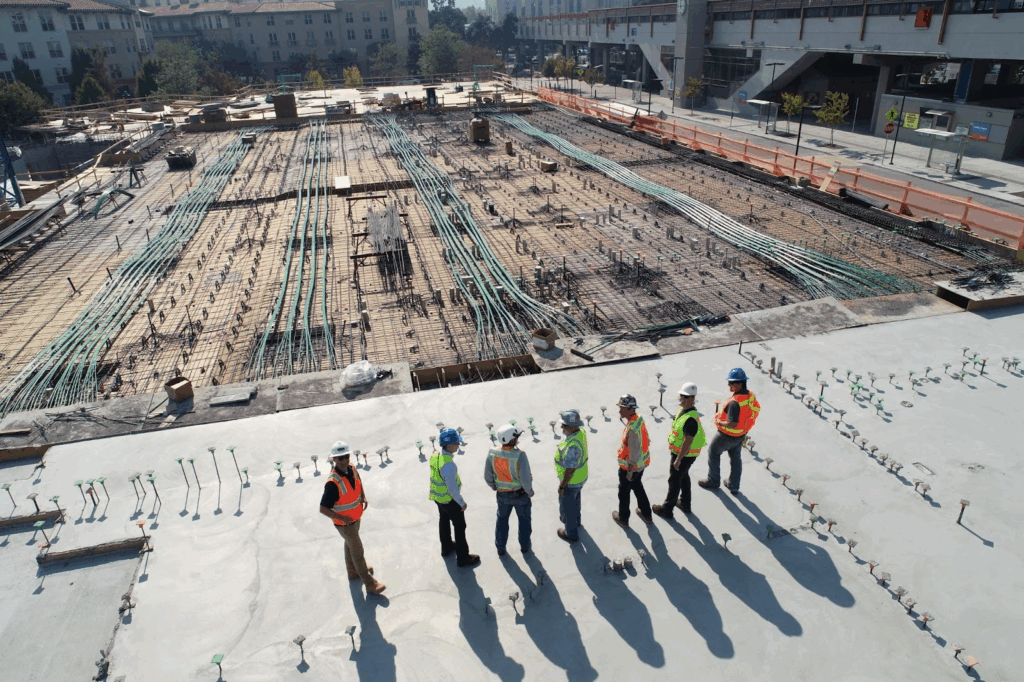

You can construct any structure, but safety and durability must always be your priority. The structure may be strong, but it should also provide safety to the occupants.
Stability is the result of various factors, and you need to know about them in order to keep the structure strong for decades to come.
Strong Foundations Are Essential
If the foundation below is weak or unstable, then the structure above it is unsafe. Engineers perform soil tests prior to construction to determine whether the ground is capable of bearing the weight. Well-set footing, piles, or mat foundations hold the building in place even when the ground does shift.
Quality Materials Ensure Strength
Quality concrete, steel, and masonry are less prone to natural deterioration. Leaks, cracks, and premature damage are common where low-cost or poor-quality materials are applied. Proper protective coatings, such as epoxy paint, protect materials from moisture, corrosion, and excessive use damage.
Proper Structural Design
Design will determine how the building will resist stress, wind, earthquake, and other external forces. Load calculations are conducted by engineers, and safety factors are incorporated so that the building design will resist more than the assumed load. In an effort to have a safe building, always use licensed professionals to have proper design plans.
Load Distribution and Balance
There are live loads, dead loads, and environmental loads in some buildings. Level distribution maintains the stability of the building and keeps it from collapsing. Inappropriate distribution results in uneven stress, which makes some areas weaker. Properly distributed load management guarantees longevity, particularly in industrial or high-rise structures.
Maintenance Extends Lifespan
Small problems such as leaks, cracks, or rust become larger ones if neglected. Periodic inspection and preventive maintenance halt these problems dead in their tracks. In some other instances, sophisticated techniques such as carbon fiber retrofitting, bracing structures that are in poor condition, and stressing them to safety levels are used.
Trained Workforce and Safety Practice
Even the best material and designs are lost in the hands of poorly skilled laborers. Expert professionals adhere to safety standards and execute proper construction. Every minute detail, from concrete mixing to beam fitting, counts. A crew adhering to safety protocols also prevents accidents that undermine the structure.
Technology and Innovation in Construction
New technology and sophisticated tools are the indulgence of modern construction. Computer simulation, 3D modeling, and premium materials elevate projects to the next level to make them safer and more efficient. The technologies predict and offer solutions for impending risks before issues actually arise.
Legal Compliance and Standards
Building codes and legislation are in place for a purpose. They provide a minimum standard of quality and safety. Disregarding them results in unsafe buildings and potential legal problems. Compliance with them renders your building safe according to human standards and immune to natural and human forces.
Wrapping Up
Construction is the result of a mix of good foundations, good material, good design, experienced laborers, and correct upkeep. Always plan in the long term when you construct. A sturdy building not only saves money but also lives. If you wish your building to live for centuries, pay heed to the details that count. From foundations to finishes, each decision counts. Prioritize safety, employ the proper materials, and heed the advice of the experts. Doing that, you construct a building that is safe, solid, and lasts for centuries.