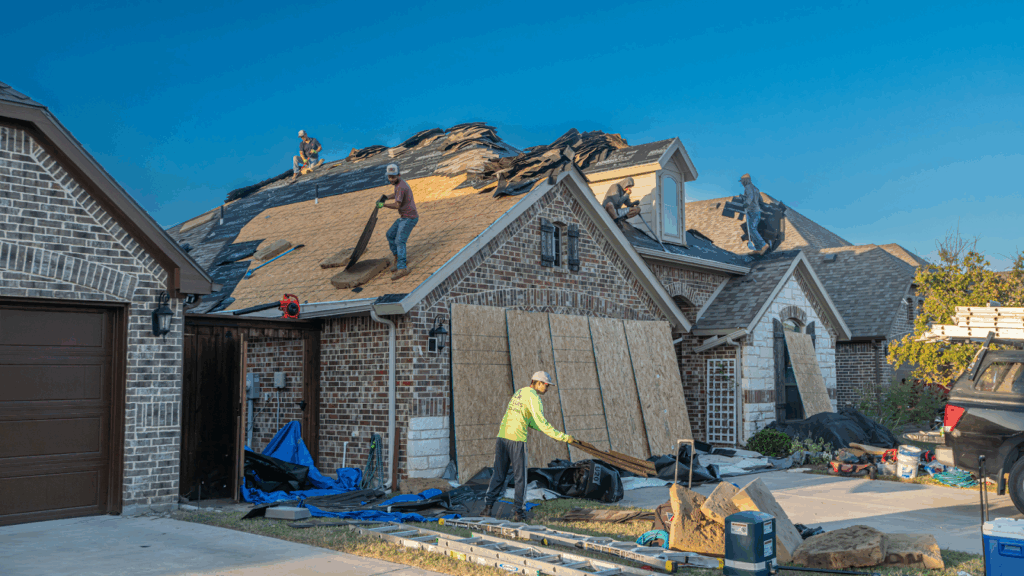

Replacing or upgrading a roof doesn’t have to drain your savings. Many homeowners assume affordability means cutting corners, but that’s far from true. With today’s roofing innovations and smarter planning, it’s entirely possible to achieve durability, style, and energy efficiency on a reasonable budget.
Whether you’re preparing for a new installation or replacing aging shingles, understanding how material choices, timing, and contractor expertise influence costs can help you make confident, cost-effective decisions.
In this blog, we’ll explore roofing options with performance, compare long-term value, and discuss strategies to stretch your budget without compromising on quality.
Understanding Your Roofing Budget: Key Cost Factors to Consider
Shopping for roofing materials without grasping what actually inflates costs? That’s backwards planning. Your expenses extend far beyond those visible shingles overhead.
Grasping roofing costs in 2025 means accepting that labor frequently matches or surpasses material costs. Throughout the Pacific Northwest, installation runs $150-$300 per square based on roof intricacy and contractor expertise. Simple gable configurations cost considerably less than complicated multi-level arrangements with valleys and dormers.
Late autumn and winter months deliver optimal contractor availability and competitive pricing. You’re potentially saving 15-20% versus peak summer charges. Roofers want crews working continuously, making them more willing to negotiate when business slows.
Yes, weather delays increase during winter. Yet experienced contractors work safely around precipitation forecasts. The financial benefit typically outweighs timing risks.
Top Affordable Roofing Materials Worth Considering
Let’s examine proven performers among budget-conscious roofing choices. These materials have demonstrated reliability over time.
Asphalt Shingles: The Reliable Workhorse
Three-tab asphalt shingles remain residential roofing’s most economical solution. They install easily, supply chains keep them available, and pricing stays competitive at $3.50-$5.50 per square foot installed.
Architectural shingles cost incrementally more ($4.50-$7.50 per square foot) while delivering superior wind resistance plus dimensional aesthetics that enhance curb appeal. Compared to premium materials like slate or cedar, they’re still remarkably affordable.
Lifespan varies from 15-30 years depending on grade and weather exposure. That represents a solid return on investment.
Metal Roofing: Long-Term Value Champion
Conventional roofing materials demand replacement every 20-30 years, but metal roofs endure 50+ years with modest maintenance. Initial expense ranges $5-$12 per square foot, though you’ll likely avoid future reroofing entirely.
Corrugated metal panels provide the most economical entry into metal roofing territory. They’re tough, fire-resistant, and surprisingly quiet with adequate underlayment. Standing seam systems carry higher prices but offer enhanced weather protection.
Insurance providers frequently discount premiums for metal roofs in wildfire-prone or severe-weather zones. Contact your insurer: those reductions accumulate significantly.
Composite Options: Modern Innovation
Synthetic composite shingles replicate wood shake or slate appearance at substantially lower costs. They’re engineered for impact resistance and usually backed by robust warranties.
Expect $4-$7 per square foot installed. These materials resist color fading better than basic asphalt and weigh less than natural alternatives, potentially eliminating structural reinforcement expenses.
Quality Indicators in Budget Materials
Distinguishing quality budget materials from worthless junk safeguards your investment. Here’s your evaluation checklist.
Certifications That Matter
Seek ASTM International certifications on roofing products. These testing protocols verify materials satisfy baseline performance standards. UL ratings confirm fire resistance; Energy Star designation indicates efficiency.
Impact resistance classifications span Class 1 (lowest) through Class 4 (highest). Class 3 or 4 materials frequently qualify for insurance reductions.
Durability Features to Verify
Examine material thickness specifications with greater thickness generally equals an extended lifespan. Quality budget materials incorporate UV-protective coatings and algae-resistant treatments, even at accessible price points.
Wind uplift ratings carry significant weight in storm-vulnerable areas. Regional building codes establish minimum standards, but exceeding them adds surprisingly modest costs.
Warranty Coverage Details
Manufacturer warranties fluctuate wildly across budget materials. That 30-year warranty looks impressive until the fine print reveals prorating after year five. Full replacement coverage spanning at least 10 years signals genuine product confidence.
Contractor workmanship warranties should address installation defects for two years. Shorter coverage suggests doubts about their work quality.
Cost-Saving Strategies Without Compromising Quality
Intelligent planning reduces roofing project costs without sacrificing materials or installation excellence.
Timing Your Project Right
Off-season installation (November-February across most regions) produces optimal pricing. Contractors compete more aggressively when work slows. You’ll also secure their experienced crews rather than rushed seasonal hires.
Material suppliers conduct clearance sales on discontinued colors and excess inventory. These products perform identically to current stock—they simply won’t match neighboring roofs exactly.
DIY Considerations and Limits
Small, straightforward structures like sheds accommodate DIY approaches if you’re height-comfortable. Larger residential roofs demand professional installation for safety and warranty validity. Most manufacturers cancel warranties when materials are improperly installed.
You can manage tear-off work personally, reducing labor costs 15-25%. Just dispose of materials correctly and leave actual roofing to licensed professionals.
Contractor Selection Tips
Obtain three detailed written estimates, minimum, before selecting contractors. Rock-bottom bids rarely deliver best value: verify references, confirm licensing and insurance, and examine previous work samples.
Local contractors understanding regional codes and climate patterns often provide superior long-term value versus out-of-area companies advertising suspiciously cheap prices. They’ll remain accessible for warranty situations.
Conclusion
Choosing a roof doesn’t have to mean breaking the bank or settling for subpar quality. From durable asphalt shingles to energy-efficient metal options, there are plenty of budget-friendly materials that offer both longevity and performance.
The key is balancing cost, durability, and maintenance needs while working with a trusted contractor to ensure proper installation. By exploring your options and making informed choices, you can protect your home, enhance its curb appeal, and enjoy peace of mind, all without overspending. Your dream roof is within reach, proving that affordability and quality can go hand in hand.
Your Roofing Questions Answered
What roofing material is best for energy efficiency?
Metal roofing is highly energy-efficient, reflecting solar heat and reducing cooling costs by up to 40%. It also has a long lifespan, often exceeding 50 years.
Is there a roofing option that requires minimal maintenance?
Synthetic wood shingles are low-maintenance, resistant to weathering, rot, and insects, and don’t require painting or treatment, reducing upkeep costs.
What are the pros and cons of rolled roofing?
Rolled roofing is the cheapest option upfront, ideal for sheds or flat roofs. However, it has a shorter lifespan (5–10 years), limited aesthetic appeal, and is less durable compared to other materials.
How can I ensure the quality of my roofing installation?
To ensure quality, hire a qualified roofing contractor, compare multiple quotes, and choose materials that balance cost and durability. Proper installation is crucial for maximizing the lifespan of your roof.