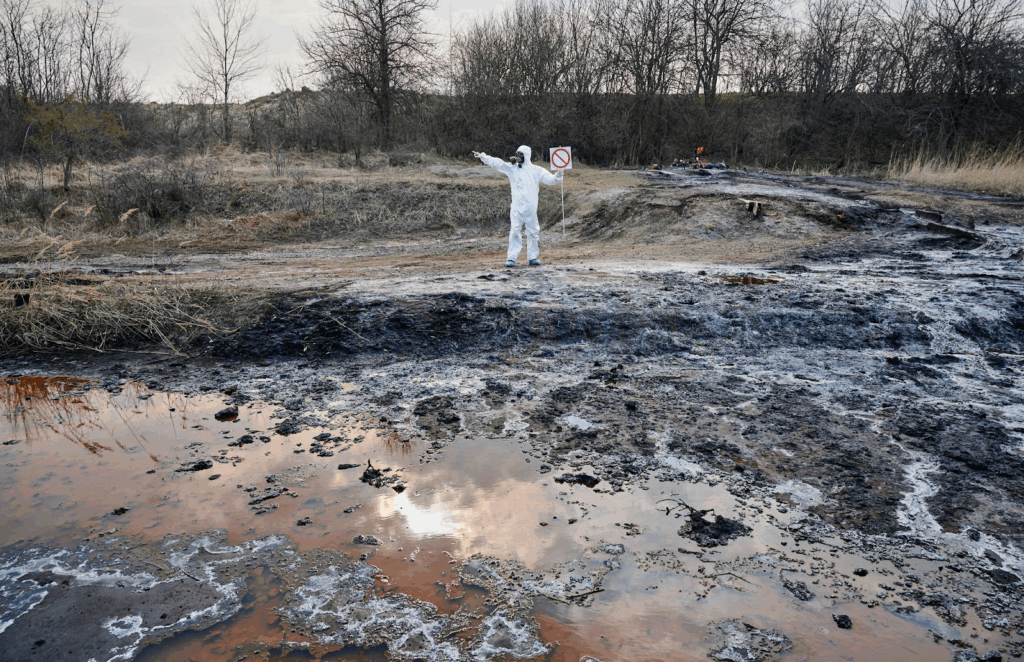

Spill discharge is an unrestricted release of harmful chemicals into land or water bodies. 134 million gallons of oil were released into the water in 2010 when the ‘Deepwater Horizon Spill’ incident took place. This affected marine life while indicating the existence of poor spill safety procedures.
Spill response must be tackled by acknowledging environmental compliance. In Australia, safe spill management ensures following the WHS regulations. The ‘Victorian Environment Protection Act 1970’ is also concerned with spill response.
What are the Various Kinds of Spills?
A spill is defined as the release of a chemical from its storage space. Hazardous material spills harm the environment, along with the water bodies. Spills are classified into minor leaks, moderate spills, and major hazards.
| Types of spills | Examples | Potential Response |
| Minor spill | Leak from containers in a lab | Application of proper absorbents |
| Moderate spill | Spilling harmful liquid in a controlled environment | Use of spill kits |
| Major spill | Tanker accidents, especially at sea | Area evacuation, mainly done by emergency teams |
Table: Different Types of Spills and Their Response Measures
What Legal Requirements are Followed to Manage Spills?
In Australia, the ‘Victorian Environment Protection Act 1970’ states that companies are legally responsible for handling and managing spills while restoring the impacted area to its original form. Organisations transporting liquid via sea routes are more about follow this spill reporting regulation.
Referring to the EPA spill requirements, the SPCC rule deals with spill discharges in water bodies. Reporting thresholds are stated in gallons. Data regarding spills is provided to related state agencies by the facilities.
Among different global environmental laws, ISO 14001 is a widely accepted framework to manage environmental impacts. A business needs to create a specific EMS to counter any form of spill discharge.
Safety Protocols to Manage Oil Spills
Spills create a vigorous impact on the environment as well as on human health. Spill safety protocols must be followed to ensure good preparedness for such incidents.
- Quick Response: Handling liquid discharge incidents requires emergency response. Evacuate the nearby people and clean the affected area as soon as possible. This helps to minimise environmental damage and human impact.
- PPE Usage: Applying PPE for chemical spills is a foremost consideration. The main kits are gloves, boots, safety glasses, and others.
- Implementing Emergency Response Plans: Involving quick-response teams is effective in handling a spill incident. An effective plan chalks out the main processes that can be followed to contain spills, along with cleaning and reporting.
Step-by-Step Process to Spill Response
Spill response process is a challenging task, especially if the incident is a major hazard. Experts must obey all the steps to ensure proper handling.
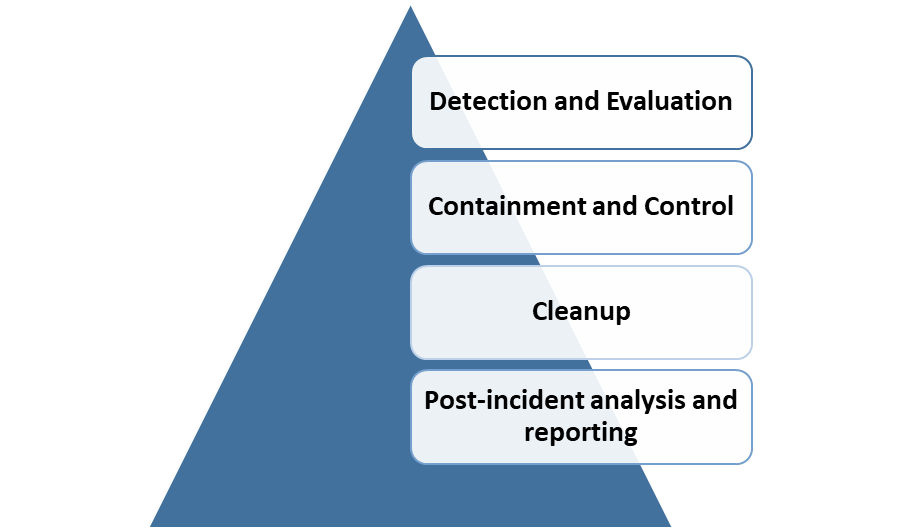
Figure: Steps of Spill Response
- Detection and evaluation: Initially, the spill must be assessed to identify the material. This is followed by determining what risk this might pose.
- Containment and control: Contaminated materials must be obtained while storing them safely. Absorbent pads can be useful for spill containment.
- Cleanup: The affected area should be decontaminated. This includes both people and equipment. Experts are to be engaged to execute the cleanup procedure.
- Post-incident analysis and reporting: Professionals are to be deployed to analyse the collected materials and report them. Documents must be provided to the higher authority.
How Do Spill Response Teams Contribute to Such Incidents?
Environmental consultants advise businesses on how to manage spill response. They are capable of forming strategies for spill mitigation, alongside eradicating their impacts.
Spill cleanup contractors manage spills by offering the necessary resources and expertise. This helps to assess, contain, and dispose of waste.
The oil and gas industry is primarily responsible for spill incidents. Industries like transportation and chemical manufacturing might also cause spills. This indicates the need to prioritise effective industrial spill management techniques.
The HAZMAT response team is an expert group that is fully trained to manage and handle spill response perfectly. They are well-versed in perfect procedures for containment, cleanup, and acknowledging safety protocols.
Best Practices for Spill Management
- Spill response handling: They should be handled while obeying the associated regulations and safety procedures. Better than managing it later, initial planning is important for effective spill prevention.
- Inspect and maintain equipment daily: The necessary equipment for spill management must be assessed daily. This accounts for determining any issue while rectifying it.
- Staff training: Spill training is mandatory for the employees who handle spills. They must know how to handle harmful chemicals and report an incident.
- Spill prevention plans: Crafting an SPCC plan is vital to managing spills. This denotes a full-proof plan for managing spills.
Summary
A spill can adversely affect the environment, either in the form of a minor leak or a major hazard. Spill response must acknowledge the necessary regulations. Initial prevention plans are important to lower the impact of spills.
Want to Handle Spills Safely?
Businesses often fail to understand what procedures can be adopted to manage spills. Get updated with the latest spill management techniques. Contact specialised teams to manage such situations.