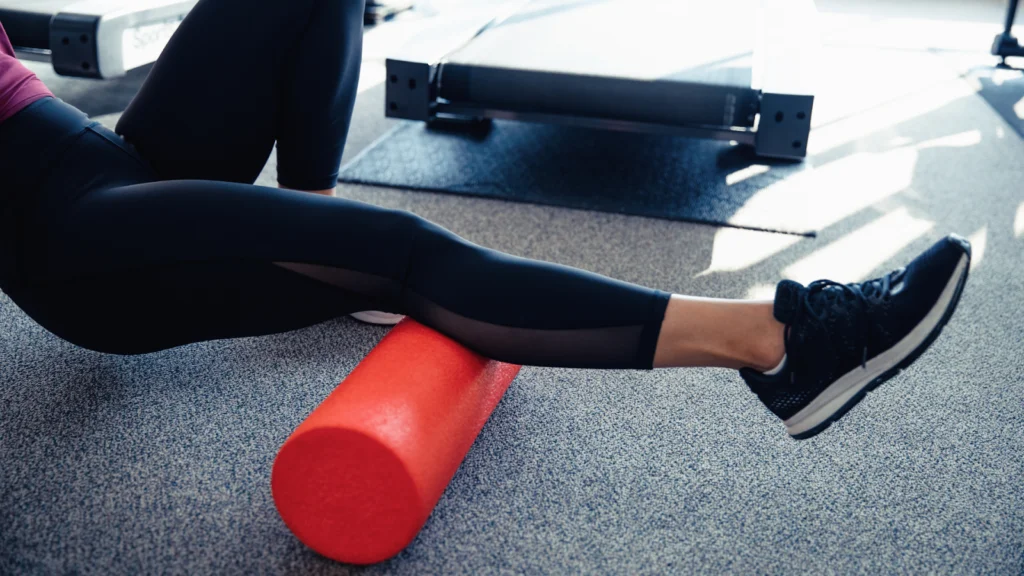

Remember when your living room suddenly turned into your gym back in 2020?
Millions of people traded pricey memberships for the freedom of home fitness, from quick cardio sessions to strength training. It sounded perfect, until the hidden risks started showing up.
Without a trainer to guide your form or gym safety rules to keep you in check, you’re pretty much on your own. That freedom can backfire, leading to injuries that derail your progress and impact your physical health.
The good news? Knowing the most common mistakes and how to avoid them can keep your workouts safe, effective, and sustainable.
Most Frequent Home Exercise Injuries and Their Root Causes
Let’s talk numbers first, because they’re pretty shocking. There were 409,224 injuries caused by exercise equipment in 2021, representing an 8.3% increase from the previous year.
Ouch! That’s a lot of people getting hurt while trying to get healthy. So what’s going sideways here?
Ankle Sprains and Foot Injuries During High-Impact Workouts
Picture this: you’re crushing a HIIT workout in your socks on hardwood floors. Suddenly – WHAM! Your foot slides out from under you. Sound familiar? You’re not alone.
Most folks completely ignore how slippery their floors actually are. Those beautiful hardwood surfaces and area rugs? They’re basically injury traps waiting to happen. Every jump, pivot, or quick movement becomes a roll of the dice.
Here’s where smart choices save your ankles: grippy socks create that crucial grip between your feet and slick surfaces. They’re absolute lifesavers during yoga flows, Pilates sessions, and any bodyweight routine where staying upright matters.
Lower Back Strain from Poor Form and Surface Selection
Your spine wasn’t designed to slam against concrete-hard floors repeatedly. Yet that’s exactly what happens during floor exercises on unsuitable surfaces. Every crunch, sit-up, or plank pushes your vertebrae into unforgiving ground.
The result? Immediate pain that can linger for weeks. Sometimes months.
Using a mini trampoline for exercise transforms this equation entirely. The bouncing surface cushions your spine while maintaining workout intensity – it’s like having a personal shock absorber for your back.
Wrist and Shoulder Overuse Injuries
Here’s where ego meets reality, and reality usually wins. Beginners see advanced moves on YouTube and think, “How hard could it be?”
Very hard, as it turns out. Push-ups and planks demolish unprepared wrists and shoulders faster than you’d believe. Tendons get inflamed. Joints scream for mercy. Progress stops dead.
The fix? Start embarrassingly easy and progress slowly. Your joints need time to adapt – rushing this process guarantees injury.
Knee Injuries from Repetitive Motion Activities
Knees take a beating during jumping exercises, especially on hard surfaces. Every landing sends shock waves through cartilage that’s not designed for concrete-level impact. Do this repeatedly, and inflammation becomes your new best friend.
For joint-protective alternatives to traditional plyometric training, a rebounder trampoline for adults offers elastic surfaces that absorb punishment while delivering serious cardiovascular benefits and muscle activation.
Smart Equipment Choices for Injury-Free Home Workouts
Equipment selection separates the smart exercisers from the injured ones. Make poor choices, and you’ll discover exactly how expensive “cheap” can be.
Essential Safety Gear Every Home Gym Needs
Basic safety gear isn’t glamorous, but it works. Non-slip mats create stable platforms. Proper lighting prevents those embarrassing trips over dumbbells. Adequate clearance around equipment stops you from smashing into walls during enthusiastic moments.
And please, measure your ceiling height before buying anything that bounces or swings! Most trampoline injuries happen because people ignore this simple step.
Low-Impact Equipment That Protects Your Joints
Traditional cardio machines pound your joints into submission. That’s just how they work. Some of the best rebounder trampoline options flip this script entirely – they distribute impact forces across your entire body instead of hammering individual joints.
Research backs this up, too. Rebounding creates significantly less joint stress than running while delivering comparable cardiovascular benefits. Plus, the unstable surface activates stabilizing muscles that flat surfaces never touch.
Technology-Enhanced Safety Solutions
Modern tech actually helps here. Fitness apps use your phone’s camera to spot form problems before they become injuries. Wearables track your heart rate and movement patterns, shouting warnings before you push too hard.
Smart mirrors provide real-time feedback that’s honestly better than most personal trainers. They catch those subtle compensation patterns that lead to overuse injuries down the road.
Pre-Workout Preparation Strategies That Actually Work
Preparation isn’t sexy, but it prevents most injuries. The pooled results based on total injuries showed that strength IPPs had a statistically significant reduction in injury relative risk (RR) of 0.70 (95% CI, 0.60-0.82). Translation? Structured prep works amazingly well.
Dynamic Warm-Up Protocols for Different Exercise Types
Generic warm-ups are basically useless. Your body needs specific preparation for specific activities. Trampoline workouts demand ankle mobility and balance challenges. Strength training requires targeted joint activation.
Before starting your session, a fitness trampoline for home workouts should be used with gentle bouncing and balance work as preparation before advancing to full movements.
Environmental Safety Checklist
Monthly safety checks prevent nasty surprises. Examine ceiling clearance, floor stability, and equipment integrity. Remove obstacles from your workout zone. Keep emergency access clear and unobstructed.
Quality lighting prevents those midnight workout disasters. Keep first aid supplies nearby but out of your exercise path – you don’t want to trip over your safety gear!
Personalized Risk Assessment Techniques
Your age, fitness level, and injury history create a unique risk profile. Previous ankle injuries increase reinjury chances dramatically. Bad knees require modified jumping approaches.
Honest self-assessment guides smart equipment choices and exercise modifications. Don’t let pride override common sense – it never ends well.
Advanced Injury Prevention Techniques for Popular Home Workouts
Common home workout injuries follow predictable patterns once you know what to look for. Understanding these patterns helps you implement surgical prevention strategies.
HIIT Safety Modifications and Progressions
High-intensity training pushes limits by definition. But progression matters enormously. Begin with shorter intervals and longer rest periods. Build intensity over weeks, not days.
Monitor recovery between sessions religiously. Persistent fatigue or joint soreness signals inadequate recovery time – ignore these warnings at your peril.
Strength Training Form Corrections Using Mirror Techniques
Mirrors reveal compensation patterns you’d never notice otherwise. Position them to observe your profile during squats and deadlifts. Watch for hip shifts, knee cave-in, and spinal rounding.
Video analysis helps tremendously, too. Recording occasional workouts reveals form breakdowns that occur with fatigue – stuff you’d never catch in real-time.
Cardio Equipment Safety Protocols
Proper setup prevents most equipment disasters. Ensure trampolines sit level on firm surfaces. Check frame stability and mat tension regularly. Replace worn components immediately.
Actually read manufacturer guidelines – revolutionary concept, right? Many injuries result from exceeding weight limits or ignoring basic maintenance schedules.
Frequently Asked Questions About Home Workout Safety
Can trampolines really reduce injury risk compared to floor exercises?
Absolutely. Quality rebounders reduce impact forces on joints by up to 68% while maintaining cardiovascular benefits and muscle activation.
How do proper warm-ups prevent injuries?
Dynamic warm-ups increase blood flow, improve joint mobility, and activate stabilizing muscles, reducing injury risk by preparing your body for exercise demands.
What makes low-impact equipment safer for home use?
Low-impact equipment like rebounders distributes forces more evenly, reducing stress on individual joints while providing effective workouts in limited space.
Your Path to Safer Home Workouts
The convenience of home fitness is unbeatable, but safety has to come first. Choosing the right equipment, warming up properly, and progressing at the right pace can turn potential risks into workouts you’ll actually enjoy and stick with.
Injury prevention isn’t just about protecting your body; it’s about protecting your entire fitness journey. A few smart choices in gear, technique, and preparation can save you from painful setbacks and keep you moving toward your goals. Stay safe, stay consistent, and your future self will thank you.