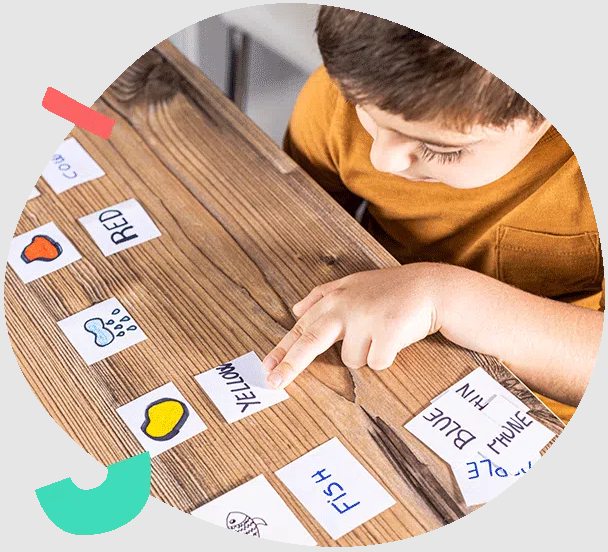

All children should have the opportunity to succeed academically and personally, yet children with dyslexia usually experience difficulties that can impact their learning as well as their self-esteem. Dyslexia is not an indicator of intelligence—it is simply a variation in brain function when reading, spelling, and writing, not making these easier. Proper support, though, can allow children with dyslexia to achieve at their highest level. Dyslexia tutoring is a good way of helping them, as it provides personalized means of building confidence and optimizing learning potential.
Dyslexic children find it difficult to cope with regular classrooms where the learning pace and teaching approach may not be so beneficial to their requirements. It leads to frustration, demotivation, and low self-esteem. Dyslexia tutoring bridges the gap by offering a one-to-one approach that is in tune with a child’s learning style.
Where other after-school support focuses on intervention, dyslexia tutoring is concerned with developing reading, writing, and comprehension skills while being mindful of the emotional dimensions that too often characterize learning differences. In the process, tutoring not only builds academic potential—it allows children to feel more confident.
Building Confidence through Individualized Guidance
Confidence is very important for learning. Most dyslexic children internalize the sense of failure after continuous difficulty with spelling and reading. A reading tutor provides a supportive setting where mistakes are regarded as being part of the learning process, not failure.
- Individualized pace: Students are permitted to learn in their own time stress-free.
- Positive reinforcement: Tutors provide rewards for small accomplishments, and that allows children to indulge in their success.
- Safe space to learn: With individualized care, children are less self-conscious about questioning.
- Skill mastery: As children master reading and writing competencies, confidence in their abilities builds.
This supportive method can revolutionize the way children perceive themselves—not as struggling learners, but as proficient students who happen to learn differently.
Building Stronger Learning Skills
Apart from instilling confidence, dyslexia tutoring also ensures the development of required learning skills. Most programs utilize systematic and evidence-based methods to assist children in understanding things with coherence and accuracy.
One of the best-known methods is Orton-Gillingham tutoring, which is a multi-sensory, structured, and sequential system tailored for children with dyslexia. The method teaches children to build sounds from letters and words using visual, auditory, and manual learning. By utilizing multiple senses simultaneously, it strengthens learning and enhances memory retention.
Key learning skills developed by tutoring that targets dyslexia are:
• Phonemic awareness: Understanding the association between sounds and letters.
• Decoding skills: Breaking down words into manageable parts to make it easier to read.
• Reading fluency: Increasing speed, accuracy, and expression.
• Comprehension strategies: Picking up on how to comprehend meaning, make inferences, and summarize a passage.
• Writing organization: Developing skills to write clearly and with improved structure.
By developing these abilities, children are more self-sufficient learners and better able to manage classroom challenges.
Emotional and Social Development
Dyslexia tutoring is not only about academics—it also promotes emotional health. Kids who feel cared for and understood tend to develop resilience and determination.
Benefits beyond academics include:
- More self-esteem: With reading and writing done right, there are greater feelings of self-worth.
- Less anger: Children fight less and worry less with the proper techniques.
- More participation: Confidence makes kids more active at school and with other kids.
- Positive attitude: Children start to link learning to success instead of failure.
Parents notice that as the confidence of the child in school rises, the social confidence rises as well, thus enabling them to have improved relationships and a positive attitude in general.
The Role of Parents and Tutors
Parents also have an important part to play in supporting dyslexic children. Children who receive early and consistent support often develop lifelong skills such as problem-solving, adaptability, and perseverance. These qualities not only help in academics but also in future careers and personal growth.
How parents can help:
• Supporting daily reading practice with patience and optimism.
• Keeping in touch regularly with tutors and being informed about progress.
• Praising effort as well as achievement.
•Establishing a supportive home environment through access to books and learning equipment.
When parents and tutors collaborate, children have a strong support system that supports confidence and learning skills.
Final thoughts
Dyslexia tutoring is not just teaching—it offers a child an opportunity to become more confident, to improve his or her learning capacity, and to accept the best in oneself. Through techniques like Orton-Gillingham tutoring and direction of a reading tutor in NYC, dyslexic children are able to do so much more than in a classroom environment. Through developing skills as well as fostering emotional development, dyslexia tutoring gives children a chance to see themselves not through the lens of their struggles, but through the potential of their abilities.