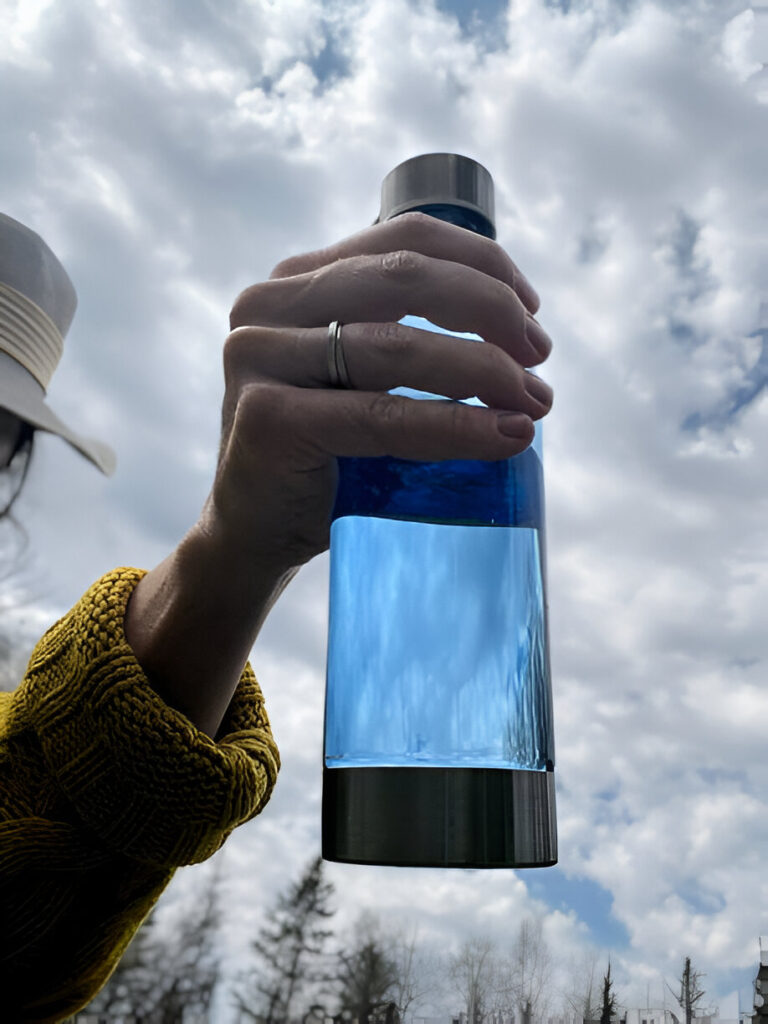

Most people want simple ways to protect their health and speed recovery after workouts. You may have seen a growing number of products promising antioxidant support by adding molecular hydrogen (H₂) to drinking water.
That promise raises a question: is a portable hydrogen water bottle enough, or is a larger hydrogen generator a better long-term choice for your needs? This post compares the two so you can pick what fits your lifestyle and goals. Read on and you’ll learn practical, evidence-based points to help decide between a hydrogen water bottle vs generator.
In this blog, we’ll explain what hydrogen water is and how these devices work, review the science on health effects, compare performance and cost, give a short buying checklist in bullets, and finish with a clear recommendation for different kinds of users.
What Is Hydrogen Water and Why Do People Use It
Hydrogen water contains dissolved molecular hydrogen gas (H₂), tiny, unbound molecules floating in plain water. Early human and animal studies suggest H₂ can act as a selective antioxidant and may reduce oxidative stress and inflammation. The literature is still young, but a recent systematic review found promising signals for exercise recovery, metabolic health, and cellular protection while calling for larger trials.
Medical- and consumer-facing outlets note these findings are preliminary. Hydrogen water is generally safe to drink, but science has not yet proven it as a cure or replacement for standard medical care.
How Bottles and Generators Make Hydrogen Water
- Portable hydrogen water bottles produce H₂ by small onboard electrolysis cells. Many use a proton exchange membrane (PEM) or similar SPE technology to separate hydrogen and avoid contaminants. Typical cycle times are 3–10 minutes per fill; claimed hydrogen concentrations vary widely by model.
- Hydrogen generators (countertop or under-sink units) are larger electrolysis systems that can produce higher, more consistent concentrations and faster fill volumes. Some models target 1.0–2.8 ppm or higher, and they often include better filtration and materials for long-term home use.
A key metric is dissolved hydrogen concentration, measured in ppm (parts per million) or ppb (parts per billion). Several researchers and reviewers point to roughly 0.5–1.6 ppm (500–1,600 ppb) as a practical range used in studies where benefits were seen. More H₂ does not always mean bigger effects because the body eliminates excess gas.
Performance, Convenience, and Safety
1. Portable bottles
- Pros: travel-friendly, quick sessions, low upfront cost, beneficial for athletes on the move.
- Cons: lower stable concentration in some models; hydrogen escapes quickly after generation, so you must drink soon after production; battery life and maintenance matter.
2. Home generators
- Pros: higher, steadier ppm; better filtration options; suitable for daily household use and family supply. Many models report reliable H₂ levels over longer runs.
- Cons: higher upfront cost, larger footprint, installation or countertop space needed.
Materials and safety note: Look for PEM/SPE electrolysis technology and food-safe materials (borosilicate glass, medical-grade titanium/platinum electrodes) to avoid unwanted byproducts. Trusted brands cite third-party testing and clear ppm measurement methods.
What Studies Actually Show
- Systematic reviews identify potential benefits for exercise recovery, markers of oxidative stress, some metabolic measures, and liver support in small trials. Results are promising but not definitive.
- Consumer health summaries point out safety and limited clinical proof; cost versus benefit remains a frequent consideration.
Who Should Pick a Bottle, and Who Should Pick a Generator?
- Choose a portable bottle if you:
- Travel often or train outdoors and want on-demand H₂.
- Looking for a low-cost way to try hydrogen water.
- Value compact gear and quick sessions.
- Choose a home generator if you:
- Drink hydrogen water daily for the whole household.
- Want consistent, higher ppm and integrated filtration.
- Prefer a one-time investment and less frequent top-up sessions.
Quick Buying Checklist
- Portable vs home: pick based on where you’ll drink most.
- Target ppm: look for devices that list ppm/ppb and third-party tests. Aim for devices that reach ~0.5–1.6 ppm for outcomes that match published studies.
- Electrolysis tech: PEM/SPE is preferred to limit contaminants.
- Materials: medical-grade titanium or platinum electrodes, plus glass or safe plastics for the bottle.
- Speed and capacity: check how long a generation cycle takes and how much water per cycle.
- Maintenance: replace filters and clean as the manufacturer recommends.
- Testing: Choose a seller that provides lab or third-party hydrogen concentration reports.
Cost and Sustainability Points
Portable bottles typically cost between $50 and $200. Home generators tend to be more expensive but can save money per liter if your household drinks hydrogen water daily. If environmentally friendly delivery and minimal packaging waste matter to you, compare the shipping and packaging policies of different manufacturers, as some brands emphasize carbon-neutral fulfillment.
Conclusion
If you want occasional, on-the-go hydrogen for workouts, a well-built portable bottle is a sensible, affordable option. If you plan daily household use and want stable, higher concentrations, a home generator is a better long-term fit.
Keep expectations realistic: current human studies are encouraging but limited, so treat hydrogen water as a supportive wellness habit, not a medical treatment.