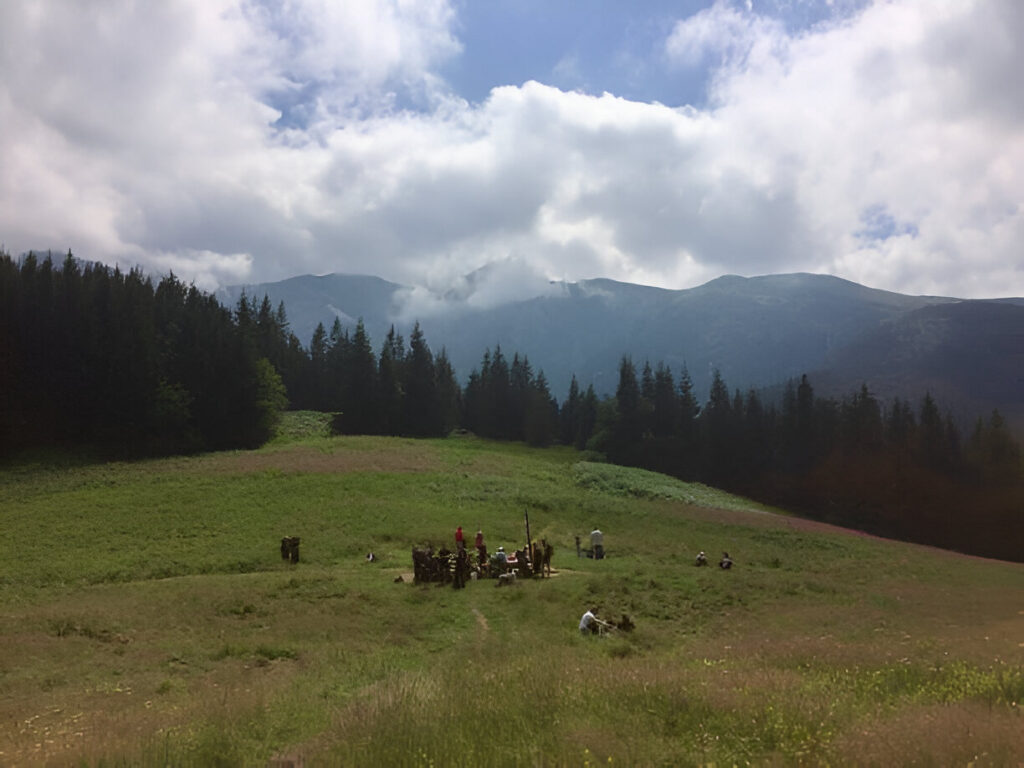

Mountain environments offer unparalleled opportunities for team building, combining fresh air, stunning scenery, and challenging activities that bring colleagues together like nowhere else. Whether you’re planning a corporate retreat or looking to strengthen workplace relationships, mountain destinations provide the ideal backdrop for meaningful connections and shared experiences.
Teams that venture into mountainous regions discover something remarkable happens when office walls disappear and natural landscapes take their place. The combination of physical challenges, breathtaking views, and shared adventures creates bonds that translate directly into improved workplace collaboration.
Why Mountains Excel for Team Building
Mountains naturally encourage teamwork through their inherent challenges and rewards. Unlike traditional indoor team-building activities, mountain environments require participants to rely on each other for navigation, safety, and motivation. This authentic interdependence builds trust organically.
The physical nature of mountain activities also levels the playing field among team members. Hierarchical office structures become less relevant when everyone faces the same hiking trail or rock climbing wall. These shared challenges create new dynamics where different team members can shine and support one another.
Research shows that outdoor experiences increase creativity by up to 50% and improve problem-solving abilities. Mountains amplify these benefits through their combination of physical activity, clean air, and inspiring vistas that clear mental fog and encourage innovative thinking.
Essential Mountain Team Building Activities
Guided Hiking Adventures
Structured hiking expeditions offer excellent team-building opportunities while accommodating various fitness levels. Groups can tackle different trail difficulties, ensuring everyone participates meaningfully. Professional guides help facilitate team challenges along the way, such as navigation exercises or nature scavenger hunts.
Rock Climbing and Rappelling
Few activities build trust like belaying a colleague on a rock face. Rock climbing requires clear communication, mutual dependence, and overcoming personal fears with team support. Indoor climbing walls pale in comparison to the authentic mountain experience where stakes feel real and achievements more meaningful.
Wilderness Survival Challenges
Organized survival exercises teach practical skills while building teamwork. Teams might construct shelters together, start fires using primitive methods, or navigate using only map and compass. These activities reveal leadership qualities and encourage creative problem-solving under pressure.
Mountain Photography Projects
Collaborative photography missions combine creativity with exploration. Teams receive assignments to capture specific themes or locations, encouraging them to explore together while developing shared artistic visions. These projects create lasting mementos of the team-building experience.
Choosing the Right Mountain Destination
Accessibility and Transportation
Take your team’s travel preferences and budget into account when choosing destinations. Look for locations that are easily accessible via airports or major highways while still delivering genuine mountain experiences. Remote spots, such as a bear lodge in Alaska, can provide unforgettable immersion but may involve more challenging logistics.
Accommodation Options
Mountain destinations offer diverse lodging from luxury resorts to rustic cabins. Shared accommodation often enhances team bonding, though private rooms might be necessary for longer stays. Consider facilities that can host group meals and evening activities.
Seasonal Considerations
Each season offers unique advantages for mountain team building. Spring provides moderate weather and blooming landscapes. Summer offers the most activity options and comfortable camping conditions. Fall delivers spectacular foliage and crisp, energizing air. Winter activities like snowshoeing or skiing create entirely different team dynamics.
Professional Services Available
Look for destinations with established team-building facilitators, equipment rental services, and emergency support systems. Professional guides familiar with corporate groups can design experiences that balance challenge with safety while maintaining focus on team development objectives.
Planning Your Mountain Team Building Retreat
Pre-Trip Preparation
Successful mountain team building requires thoughtful preparation. Survey team members about fitness levels, dietary restrictions, and any medical concerns. Provide packing lists and set clear expectations about activity levels and weather conditions.
Safety Protocols
Mountain environments demand respect and preparation. Ensure all participants understand basic safety guidelines, carry appropriate emergency equipment, and know communication procedures. Professional guides should handle technical safety aspects while internal team leaders manage group dynamics.
Incorporating Learning Objectives
Design activities that reinforce specific workplace skills or address particular team challenges. If communication needs improvement, emphasize activities requiring clear verbal coordination. For teams struggling with trust, focus on partner-dependent challenges like climbing or river crossings.
Evening Programming
Mountain settings provide perfect opportunities for campfire discussions, storytelling sessions, or group reflection activities. These quieter moments often produce the most meaningful conversations and insights about team dynamics and individual contributions.
Maximizing Long-Term Impact
The real value of mountain team building emerges when teams return to work with strengthened relationships and shared experiences. Create mechanisms to reference retreat experiences during regular work situations. Develop team inside jokes, shared vocabulary, or photo displays that maintain connections formed in the mountains.
Schedule follow-up activities that build on mountain experiences. Teams might plan local hiking trips, organize outdoor lunch meetings, or establish mentorship relationships that developed during the retreat.
Transform Your Team Through Mountain Adventures
Mountain team building offers transformative experiences that traditional indoor activities simply cannot match. The combination of natural beauty, physical challenges, and shared adventures creates lasting bonds that enhance workplace collaboration and communication.
Start planning your mountain retreat by identifying team development goals, researching suitable destinations, and connecting with professional facilitators who understand corporate needs. The investment in mountain team building pays dividends through improved workplace relationships, enhanced problem-solving abilities, and renewed team energy that extends far beyond the retreat itself.