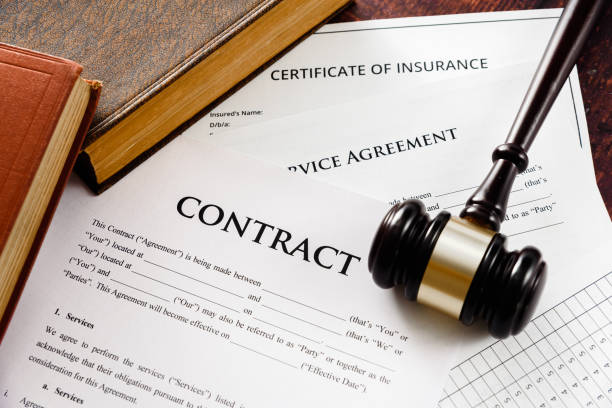

Disputes over contract terms can sideline projects, strain business relationships, and lead to significant financial losses. Knowing how to navigate these disagreements effectively is a crucial skill for any business leader. The goal is to find a resolution that protects your interests without resorting to lengthy and expensive litigation. This guide outlines key strategies for resolving contract disputes efficiently, ensuring your business can move forward with minimal disruption.
Understanding the Nature of the Dispute
Before taking any action, it’s essential to fully understand the root of the disagreement. A contract dispute arises when one or more parties believe the terms of a legally binding agreement have been breached. These disagreements can stem from various issues, such as misinterpretations of clauses, unmet obligations, or unforeseen circumstances that make fulfillment impossible.
Start by meticulously reviewing the contract. Identify the specific clauses that are the source of contention and gather all relevant documentation, including correspondence, invoices, project plans, and performance records. This initial step is not about assigning blame but about developing a clear, fact-based understanding of the situation from all perspectives. What does the contract explicitly state? Where is there ambiguity? Answering these questions provides a solid foundation for any resolution strategy.
Exploring Informal Resolution Channels
The most efficient way to resolve a contract dispute is often through direct and open communication with the other party. Litigation should be a last resort, not the first course of action. Informal negotiation can save time, money, and, importantly, preserve the business relationship.
Initiate a conversation with the other party in a non-confrontational manner. The objective is to find common ground and explore mutually acceptable solutions. Present your understanding of the dispute, supported by the evidence you’ve gathered, and be prepared to listen to their point of view. Successful negotiation requires a willingness to compromise. Could a revised timeline solve the problem? Is a partial payment acceptable? Exploring these options can often lead to a quick and amicable agreement.
The Role of Mediation and Arbitration
If direct negotiations fail, alternative dispute resolution (ADR) methods like mediation and arbitration offer structured pathways to resolution without heading to court.
Mediation involves a neutral third party, the mediator, who facilitates discussions between the parties to help them reach a voluntary agreement. The mediator does not impose a decision but guides the conversation, helping to clarify issues and explore potential solutions. Mediation is confidential and non-binding, allowing parties to retain control over the outcome.
Arbitration, on the other hand, is more formal. An arbitrator or a panel of arbitrators hears evidence from both sides and makes a legally binding decision. While it resembles a court proceeding, arbitration is typically faster and less expensive. Many commercial contracts include an arbitration clause, requiring parties to use this method to resolve any disputes that may arise.
When to Seek Legal Counsel
While informal methods are preferable, some situations demand professional legal intervention. If the dispute involves substantial financial stakes, complex legal questions, or if the other party is unresponsive or acting in bad faith, it is wise to consult with an attorney. A lawyer can provide a clear interpretation of your contractual rights and obligations, assess the strengths and weaknesses of your position, and represent your interests in negotiations or formal proceedings. In cases involving intricate financial agreements or tax implications, consulting a specialist, such as a tax attorney in Utah, can provide the specific expertise needed to navigate the complexities and protect your business’s financial health. An experienced attorney can often resolve disputes more efficiently by leveraging legal knowledge and negotiation skills, preventing the issue from escalating further.