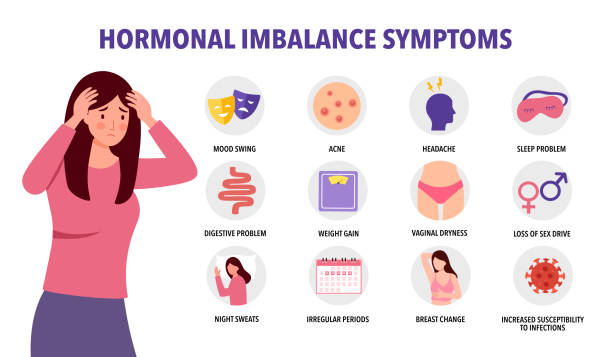

Shifts in your hormones can be irritating, to say the least. They impact how your organs function, which can cause a number of health issues. More often than not, the hormonal imbalances happen due to fluctuations in progesterone and oestrogen levels. They are so crucial in your body that even small spikes and dips can cause a major impact. There are common symptoms to look out for. Here are a few signs you need to be aware of.
What Are The Hormonal Imbalances?
Hormonal imbalances happen when you have too little or too much of one or more hormones. Hormones like the human growth hormone (HGH) need to be at optimal levels to ensure your general health. These are some of the things that cause fluctuations in your hormones.
Stress And Its Impact On Hormones
Stress releases cortisol, commonly known as the stress hormone. It causes high energy levels, blood pressure, and heart rate. Prolonged stress leads to high levels of cortisol. It will interfere with the production of other hormones. The cycle will continue untill you can manage your stress.
Environmental Toxins And Endocrine Disruptors
Environmental toxins can block, mimic, or interfere with hormone function. If they inhibit the production of hormones, the levels will be low. Bodily functions won’t be optimal, and if you ignore them for long, it can have a lasting impact.
Poor Diet And Lack Of Nutrients
You need to think about what you eat because it does more than keep your stomach full. Poor diet leads to a lack of nutrients, inflammation, and blood sugar instability. All these things affect hormone function and production. Try to eliminate unhealthy fats, processed foods, and excess sugar from your diet.
Aging And Hormonal Changes
Sometimes, hormonal imbalances are natural occurrences because of aging. You will experience alot of hormonal changes that affect your sleep, bones, muscles, and sex drive. Just because it’s natural doesn’t mean there are no remedies.
Lack Of Physical Activity
Physical activity regulates metabolism, growth hormones, blood sugar, and stress. Inactivity affects a lot of body parts and functions and can cause imbalances, leading to mood swings and fatigue.
How To Spot The Signs Of Hormonal Imbalances
- Fatigue
High cortisol and low estrogen can affect your sleep. When you don’t have enough sleep, you won’t have alot of energy to carry out your daily activities. Chronic fatigue affects more than just your body; it can also have a negative impact on your job and lifestyle.
- Mood Swings And Irritability
Mood swings can come from everyday issues like stress or lack of sleep. But it can also be a result of a hormonal imbalance. Sometimes, important stages, like pregnancy, puberty, and menopause, affect your hormones and make you very irritable. It’s important to test your hormone levels before finding a solution for the mood swings.
- Weight Changes
You can either gain or lose weight depending on which hormones are affected. Your hormones affect fat distribution, appetite, and metabolism. Thyroid, insulin, cortisol, and estrogen levels need to be at the right place. Otherwise, you will notice unexplained weight gain or loss, especially on your abdomen.
- Sleep Problems
Hormones like melatonin, cortisol, and thyroid can affect your sleep-wake cycle. They all play a role at different stages. When you notice sleeping problems, you should consider regulating your hormone levels. When you restore the hormones, you will sleep better and get the energy you need for the day. Quality sleep also helps in regulating stress, which keeps cortisol levels from rising.
- Hair Loss And Skin Changes
Almost all hormonal shifts affect your hair, skin, and nails. You will notice dry skin, hair thinning, and unhealthy nails. While these symptoms can be indications of something else, they can also be a sign of shifts in your hormone levels.
- Reduced Libido
Sex hormones like testosterone and estrogen affect your sex drive. Vaginal dryness and mood swings can lead to decreased sex desire. A drop in the level of these hormones can impact your life negatively. You should seek help when you notice these symptoms. There are safe ways of raising your hormone levels and improving your sex life.
- Hot Flashes Or Night Sweats
Hot flashes are common during menopause and premenopause. The hypothalamus is the body’s temperature regulator. When it’s affected, you will overreact to slight body temperature changes, which will cause hot flashes to try to cool down. You shouldn’t accept hot flashes or night sweats lying down. You should try finding a solution so you can sleep better.
When to seek help
If you notice one or several of these symptoms, you need to seek help from a professional healthcare provider. Men experiencing age-related symptoms like fatigue, low libido, and muscle loss, exploring options like testosterone replacement therapy and HGH for men may be beneficial. These treatments will improve your quality of life by replacing lost hormones. Ensure you get treatment from a reliable source, preferably after testing your hormone levels.
Conclusion
Hormonal imbalance can degrade your quality of life, especially when left untreated for a long time. When you realize weight changes, mood swings, fatigue, low libido, or poor recovery, the best thing to do is to find out your hormone levels. Some tests can determine if you need treatment or not. Your healthcare provider will be in a better position to explain the treatment options.